What to Do After a Porn Relapse
A porn relapse can leave you feeling like all your progress disappeared in one moment. It did not. A setback is something to understand and respond to, not an excuse to abandon the work you were doing. What matters now is what you do next.
First, stop the spiral
Hey bro, if you just relapsed, your mind may already be telling you that you ruined everything. You might be thinking, 'What's the point now?' That thought can be dangerous because one setback can turn into several days of giving up.
Stop the behavior first. Put the device away. Leave the environment if you need to. Take a breath and get out of the immediate situation. You do not have to solve your entire life in the next ten minutes.
A relapse does not erase every day you stayed clean
If you went two weeks, thirty days, or several months without porn and then relapsed, those days were not fake. You learned something during them. You practiced different routines. You experienced what it was like not to be controlled by the habit.
A setback gives you information about where your current approach was vulnerable. That information can be uncomfortable, but it can also help you make a better plan.
Find out what happened before the relapse
Instead of only asking, 'Why did I do it?' walk backward through the hours before the relapse. What were you doing? What were you feeling? What were you looking at? Were you alone? Were you tired? Had you already been entertaining sexual thoughts?
Sometimes the relapse started much earlier than the moment you opened a porn site. Recognizing that chain can show you where to intervene next time.
- Look for the triggerIdentify the event, emotion, thought, image, conversation, or situation that started the sequence.
- Look for the permissionNotice the thought that gave you permission to continue: 'Just this once,' 'I've already messed up,' or another familiar excuse.
- Look for the opportunityIdentify the practical circumstances that made acting on the urge easy, such as being alone with unrestricted access.
- Look for the earlier warningAsk whether there was an earlier moment when you knew you were moving toward temptation but chose to continue.
Do not turn guilt into a new cycle
There is a difference between recognizing that something was wrong and believing that you are hopeless because you did it. Shame can make you hide, isolate yourself, avoid prayer, and give up on accountability.
As a Christian man, you can take sin seriously without deciding that failure means you are beyond restoration. Confess honestly, turn back toward God, and take the practical steps needed to change what led to the relapse.
Get back to your routine quickly
One of the most useful things you can do after a relapse is return to the habits that were helping you. Do not wait for Monday, next month, or some imaginary perfect restart date.
Get back to your normal routine. Talk to your accountability person if you have one. Remove the trigger that contributed to the relapse. Think through what happened while it is still fresh. Then keep moving.
What You Can Start Doing
End the episode
Do not let 'I already failed' become an excuse to continue. A setback does not require another setback.
Write down the chain
Record what happened before the relapse while you still remember the details. Look for the earliest point where you could have changed direction.
Tell someone
If you have a trustworthy accountability partner, be honest instead of disappearing because you feel ashamed.
Change something
Do not only promise to try harder. Change one concrete part of the environment or routine that contributed to the relapse.
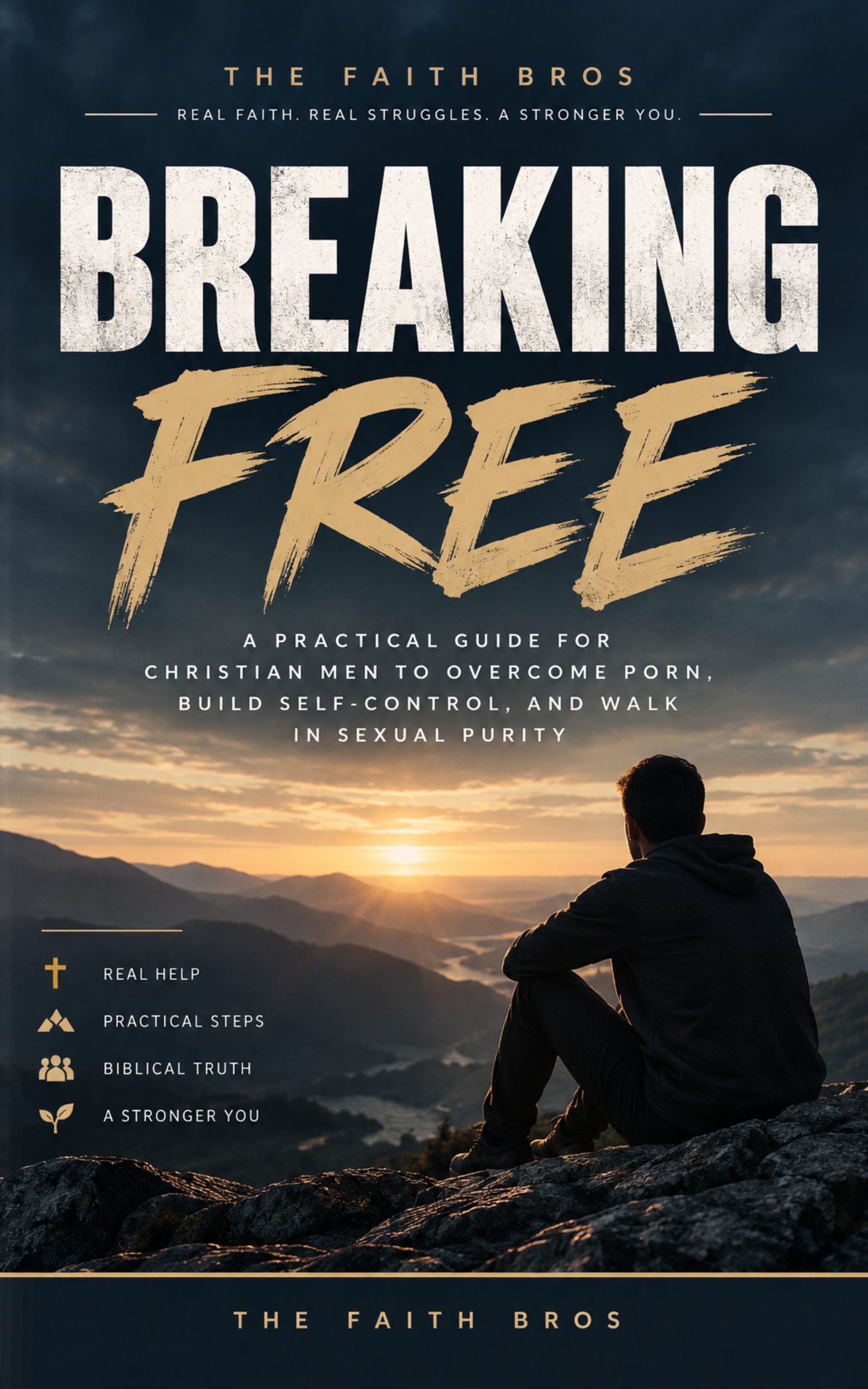
Breaking Free: A Christian Man's Guide to Overcoming Porn Addiction, Lust & Sexual Temptation
Breaking Free includes a dedicated look at setbacks, triggers, shame, accountability, and returning to the path after a relapse. The goal is not perfection overnight; it is learning how to respond differently and keep moving forward.
Inside the guide
- Understanding why relapse happens
- Identifying the chain leading to a setback
- Breaking the shame cycle
- Learning from triggers
- Rebuilding accountability
- Getting back into a healthy routine
Free to download. Read it at your own pace and come back to the sections you need.